Judgment Day #2 - All Clear - January 22, 2009

What does one do on Judgment Day? Today I woke up at 5AM and lay in bed a while. I prayed long and hard - being scared helps one do that better. As it used to be said, there are no atheists in the battle trenches, and I would add there are precious few (if any) in the cancer trenches. I got out of bed early and busied myself with routine things. Did a short devotional for the day from Morning Exercises (book details in the recommended reading section in the column at your left). Answered a couple of work emails, forwarding on actions, and wondering how they would get done if I disappeared for several months - as might be the outcome. Strangely enough the musings were not morbid, but more practical. The fact that I still really care about even silly things getting done is a sign of a good attitude, I think. I'm slightly ashamed to admit that having a good attitude is still a pretty new experience for me. I balanced the checkbook and paid a couple of bills. I normally drink quite a bit of tea in the mornings, but I held off because of the impending procedure. It's not required, but doctors tend to do better if you don't pee all over them while they are working. They are kind of funny that way. Go figure. Managed to stay nominally busy until time to shower and leave. I didn't feel certain about the outcome or even confident at all. But it seemed far less stressful in anticipation this time. Don't get me wrong, I was stressed out and biting people's heads off at work all week (some with reason), but the tension built up much later and was not as intense as three months ago.

Since then I've had a month of BCG treatments/recovery and two months of work and quiet relaxation since the last time. And the stress buildup last time was so great that after I got the good news, I crashed and burned with a cold for 3 days. The first one is the biggest hurdle, but the odds don't really improve for the second. My attitude and commitment to good diet and lifestyle (including the hated exercise) have been steady, if not improving. I do feel better, and shedding pounds and inches has been a pleasant side effect. A lot of cancer patients lose weight and waste away to nothing as the disease (and even more often the treatments) rob them of appetite and energy. I am quite pleased to be losing weight for entirely healthy reasons, albeit driven by the threat of the cancer. As I said to a co-worker some months ago, getting cancer may be the best thing that's ever happened to me for health and attitude. I still think it must be true.

It's about a 50 minute drive from our place in the mountains to the Urology Clinic in Salt Lake City. We left at 10AM for our 11AM appointment. It was about freezing and the weather was a light drizzle. Less than two miles from the house we take a freeway through a canyon. The freeway was closed due to an accident. All detours would take an extra half hour or more. We waited a few minutes, and the police opened the on-ramp. We proceeded for about 100 yards, then came to a dead stop for 30 minutes. When they finally let us through, we saw they had moved over a dozen vehicles to the side of the road, all of which had clearly spun out. Clearly this was the result of wet, icy, slick roads and Utah drivers' chronic inability to merge. In Utah the word "Yield" means to proceed at will and everyone (who has the right of way) will have to get the hell out of your way. I'm surprised I don't see more accidents. But after a few years you get proficient at dodging clueless drivers. We proceeded slowly through the canyon to the lowlands, which were encompassed in nasty smog. The Salt Lake valley gets awful winter inversions, and instead of cleaning the air, this drizzle storm had caused it to get worse. We made our way gingerly south and I called the Urology Clinic at 10:50, begging permission to be 20 minutes late. Thankfully it was no problem. Delaying the inspection would definitely have mounted the tensions!

At the clinic we were shown into the exam room quickly, but there was still over half an hour wait for the doctor. Either they were running late, or they had put another patient or two in front of me. I focused on relaxing and breathing for a bit, and my wife helped out with a very nice scalp massage. Dr. Hopkins appeared abruptly with his assistant, after greeting and handshake and some small talk (he's a big University of Utah football fan and had witnessed the recent bowl game where the undefeated Utes handily spanked the overrated Alabama Crimson Tide), we got to business.
After the initial shock I was able to relax and breathe deeply whilst murdering my two stress balls. "I've looked at three quarters of your bladder and it's all clear," the doctor announced. "Keep up the good work!" I replied gamely. "All clear!" was his immediate response. The unpleasant bit was over in less than sixty seconds. Everyone was happy with the results, and my wife seemed especially so. Perhaps she was more keyed up this time than I was! I gave Dr. Hopkins the results of my third BCG treatment in the last series, while telling him that the side effects were greatly reduced with the 1/3 dose. I suggested we could start with a half and drop it, but he said the evidence of equal efficacy was good and we would do all three at the lower strength - even more good news!

So now all is well. We shall celebrate this evening with some fresh fish - Bluenose Sea Bass, cooked in our Big Green Egg on a plank of Pacific Northwest Alder wood Add to that some organic greens and fruit, and an outstanding bottle of Pinot Noir from EIEIO winery, made by my friend and wine genius Jay (I discount for no-one) McDonald. It should be an excellent time. I'm pleased that we are able to tell the surgery-monster, "Not today, sucker!" And even though the trauma of the scoping is present, it will be mostly gone by morning. The photo at left captures the essence of the after-effects, though!

Clearing the Mind - January 17-18, 2009

Last week was busy and stressful, and consequently the time passed quickly. Stress is building up from the countdown to the next cystoscopy, now less than 4 days away. On top of that my employer for the past 16 years, a Very Large American Aerospace Corporation (VLAAC) did a major restructure of our little piece last year. The plan was for my Utah group to be combined with two other groups in more than two other locations to form a New Medium-Sized Specialized Product-Oriented Organization (NMSSPOO) with headquarters and most staff here in Utah. We were proceeding down the path to plug in a new process infrastructure to support the new picture, when last week we got an email that aborted the new organizational structure and linkages, instead substituting a new, different, and completely unknown set of connections. So the way our NMSSPOO plugs into the VLAAC is completely different, and it appears our NMSSPOO is now a small part of a Large Specialized Product Oriented Organization (LSPOO). (Be advised that these terms and acronyms are my fabrications to protect the guilty, but they are not too far from the truth!) After a few days of research and running amok, we believe it could be that the new deal is better for us and could make life easier. But being a control freak (Myers-Briggs ISTJ) means that I intensely dislike chaos, disorder, and randomness. So while God is in control ultimately, I still fight for control of my environment locally. So here we have a double whammy - no control over the medical outcome, and my precious structural model at work blown away in favor of (hopefully temporary) chaos and uncertainty.

The situation called for some drastic action, so I did something I have not done since last August - and it was long overdue. I went for a motorcycle ride. Did about 100 miles yesterday (Saturday) and another 100 miles today. Sure it's January in Utah, but the sun is shining, the roads are (mostly) clear, and technology is our friend. It took over an hour to prepare the bike for the street - checking fluid levels and tire pressures, finding winter gear, wiring in electronics, warming things up. We live in the mountains, a few miles from the base of a ski resort, while most of the population lives down in the Bonneville lake bed on the other side of the mountains. I headed West towards the lowland and civilization, as it's generally several degrees warmer there, both summer and winter. What I forgot was the winter inversion. While it WAS a bit warmer, with temps ranging from 30 (degrees F) at home to 39 in the valley, there are climate conditions that trap windless air and hold it close to the ground. This air collects all dust, vehicle, and chimney pollutants and becomes noxious after a few days.


While yesterday's inversion was not the worst we've had, it made the Wasatch Front an unpleasant driving destination. Add to that the fact that people were out and about, plus every traffic enforcement cop was out and hard at work. I saw thirteen (yes 13) of them in the space of three hours, and about half of them were busy writing expensive citations. Thanks to experience and electronic countermeasures I was able to avoid meeting any of them in person. I made my way down the new Legacy Parkway and returned north via Redwood Road, where I saw several locals kicking tires at Salt Lake BMW, a well-known motorcycle dealership (sadly now out of business).
Looped up to Ogden Municipal Airport and had a late snack at Doolittle's Deli. (Restaurant review HERE) Despite the weather, traffic, and enforcement, the concentration required to ride safely was a great aid in clearing my mind. Sadly, it only lasted about half an hour after I was done, so I resolved to go again the next day, but to head in the opposite direction!

So today I mounted up and headed East. While the air was clear and the roads were empty, it was a indeed colder - starting at 30 degrees and ranging down to 25 or so. I know this as the bike (a 2004 Honda ST1300) has an air temperature gauge built in. And because I had left my gloves, jacket, and helmet in the garage, they all started out at 30 degrees as well, giving me a thermal disadvantage from the get-go. Even with heated seat and heated grips cranked to full power, I was cold for the first 25 minutes, so I stopped to take a couple of photos and walked around a bit. This activity seemed to even out all the warmth, and the balance of the trip was quite comfortable, despite the colder temperatures. As you can see from the photos (click on any photo to enlarge), the sky was deep blue and nearly cloudless. Air was crystal clear, and the roads were empty. Motoring through the countryside revealed some spectacular photo opportunities with the late afternoon flat light of wintertime, and maintaining tight control of the vehicle in the environment was a solace to my spirit. I passed through the tiny towns of Croydon and Echo and made my way up Echo Canyon, where the red rocks were displayed beautifully in the cold sunlight. The roads were nearly empty of traffic, even on the Interstate. Looks like everybody stayed home to watch the NFL football playoffs. Today's winners go against each other on February 1 in the Super Bowl. That made it good for me. As I passed by Echo Reservoir, I observed a handful of ice fishermen busily fishing for ice. They stared long and hard at me, probably supposing that I was the bigger fool this day. I beg to differ, being the one with the heated seat, hand grips, and satellite radio in stereo coming through the helmet headset. Even with no ice or fish to show for my adventure, I would not trade my improved state of mind for either or both! The cold temperatures made it easier than usual to relax my pace, enjoy the scenery, and take a few photos. I doubt if I ran over 100 MPH more than a couple of times, although little clears the mind as well as air at arctic temperatures forced into your lungs at speed... I even paused long enough to note how the wind had carved the fallen snow into feathery ice crystals, pictured at the top of this post. As I made my way homeward the setting sun hit a rock formation to my right that I had passed dozens of times in the past without notice. These outcroppings with a lighter colored strata at the top looked for a moment like a gathering of blond giants standing around having an informal gab session. When I stopped to take the photo, the image melted into rocky reality, but still made the nice shot at right. All in all I am ready to work hard for the next few days, and all of you can join me in praying hard to wish for a positive outcome and more BCGs instead of more surgery. Even cancer looks better after a great motorcycle ride!

Truly Inspirational Story - January 15, 2009

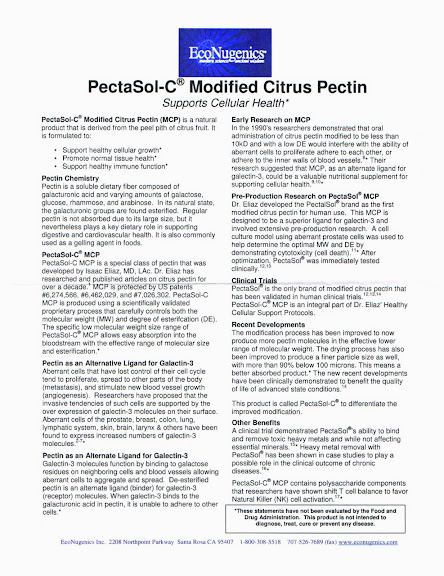
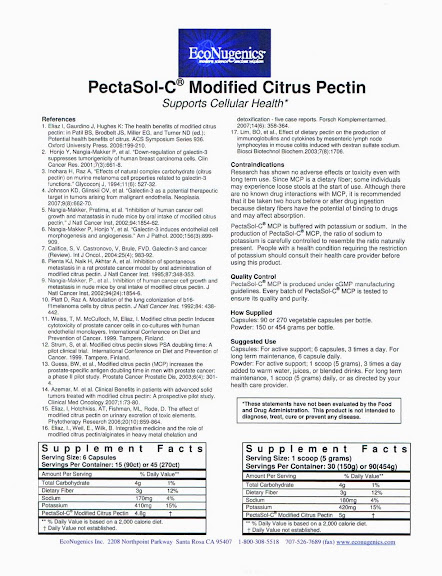
A co-worker who has no idea that I'm battling cancer sent me a link with the following note: "This video may change how you think about your day and maybe even your life." I have only one week now until Judgment Day #2. Will the cancer be back or will it not? While I have done most everything I can think of - BCG, diet, exercise, vitamins, positive attitude, and magic powder from the internet (PectaSol MCP), there's still a fair chance that the cancer might have started to wage a comeback in the past 3 months. While I hope that's NOT the case, the outcome is truly in God's hands. And given the circumstances of others with cancer, worse diseases, or even more unimaginable difficulties, I have no room to complain of the outcome in either event. Best case for me is 3 more BCGs, worst case some life-changing surgery. But look at Nick Vijicic's story in the video below, and it's crystal clear to know that overcoming difficulty is not only possible, it can be joyful as well. Check it out - it is well worth the five minutes of your time investment. When you're done, check out Nick's website.


Be sure to check out Nick's website at http://www.lifewithoutlimbs.org/.

TURBT and BCG Q&A from New York - January 8, 2009

I got a contact with some concerned questions. Susan P. from New York was not happy with the discomfort her husband was experiencing after a TURBT and some rounds of BCG therapy. She wrote, "My husband (age 59) was diagnosed April 2008 with Grade 3, T1 flat cell with CIS. He finished his last BCG November, 2008, but since April has never really felt better after BCG treatments. He is continually tired, burns during urination, severe lower back aches. Should the side effects from BCG have subsided by now?"

Keep in mind that I am not a doctor, and my firsthand experience with all this bladder cancer stuff is limited to a sample size of one - just me. I have read David's blog, who had the same diagnosis as I did at about the same age, successfully treated with BCG. And I have read another blog (now defunct) from a fellow who is older and had similar diagnosis, but has undergone radical surgery. So Susan, if you are reading this, a better forum to ask the question might be the Bladder Cancer Webcafe, which has the benefit of hundreds of experiences - though the answers may be somewhat random. Here are the answers I gave to her questions based on my experiences and research:

Hi Susan,

I'm sorry to hear your husband is dealing with bladder cancer. It's also disappointing to hear he's suffering from some side effects. The irony of bladder cancer is that the disease really doesn't hurt at all. I keep telling people the only thing that hurts is what the docs do to me! G3-T1 is the same as mine, with mine being full blown tumors and no flat cells or Carcinoma In Situ (CIS) as yet.

I think it's probably a good news bad news situation. The good news is that the treatments are clearly doing something. The bad news is that there are side effects. The ones you listed, burning during voiding, extreme tiredness, severe backaches are typical symptoms,. David Ferdinando in London (http://my-bladder-cancer-journey.blogspot.com/) had identical diagnosis as your husband at age 50, and had similar symptoms after treatment. And to add to the bad news, it does get worse as the BCG treatments progress.

I have not had symptoms as bad as these, as I am a bit younger and I don't have the CIS. Let's take his symptoms one at a time. First, Backache - The BCG causes an inflammatory response in the bladder lining. It also directly attacks cancer cells, such as your husband has in his CIS. If the inflammation is near either ureter, the path from the associated kidney can be partially restricted, and this causes severe lower back pain below the kidney and to the side(s). I did have this symptom with BCG and my doc recommended that I take four (4) Ibuprofen tablets every six hours. This did the trick, and I personally did not have recurrence of the backache after 24 hours from a BCG. Again, I'd suspect that the CIS is to blame. In rare cases, he might also have a stone, though it's pretty unusual. If so, you would likely observe bright blood in the urine.

Next, Tiredness - the inflammatory situation in the bladder causes the body to react as if you have the flu, so there can be cramps, aching, mild fever, and other issues. If your husband's immune system is not in tip top condition, which could be a consequence of bad genetics, age, having fought other major illness, sedentary lifestyle, poor diet, obesity, etc., the tiredness can linger on for a month or more. Since CIS is really several active cancer sites in the bladder wall, the BCG may be binding directly to the cancer cells in multiple locations in the bladder, and it takes some time for the body to find a way to kill them off. Thyroid issues can also contribute to making the tiredness worse. This condition is easily diagnosed with a simple blood test. Ask your regular doctor - not really the realm of urologists...

Last is the burning. If your hubby is particularly sensitive in the urethra (and what man is not?), or if there is enlargement of the prostate, the TURBT and BCG catheter processes can be troublesome, and the irritation will continue for a while. This can also happen if the person doing the procedures is heavy handed or inexperienced. Some docs let med students or other assistants do some of these in surgery when the patient is unconscious and cannot object. I say let them practice on somebody else! I did have burning for two months after my first BCG series, and it slowly got better. I was concerned that it might be a bladder infection, so I got a urinalysis after a month - all clear. So I just had to tough it out. The second series, having only three BCG treatments, was not so bad. Or maybe I'm getting tougher down there...

What your husband is suffering is not the norm, but it's also not out of the range of probability, and the symptoms may well indicate that something is actively battling the cancer - which is what we want. While it all sucks - compared to chemo or radiation these side effects are a good deal.

If his doctor is not willing to spend a little time to tell you the same details I just shared, it might be time to look for another one. Most medical plans pay for a second opinion on cancer diagnosis - mine did. Do this while you still can. I fear socialized medicine is coming fast to the US, and freedom of choice will be gone.

Best of luck!
SK
I can't claim that my insights here represent any level of brilliance. If they can alleviate some stress and concern for anybody, I will be pleased.

New Year - Path Ahead - A Good Story - January 3, 2009

It feels a bit odd typing in 2009 for the date. Last year went by quickly. Busy with work and work related travel through March, surgery in April and again in May, BCG in July/Aug and Oct/Nov. Only a few moments to work, play, and breathe in between! Now what's in store for this year and beyond? As most of you know, I have been cancer-free since May 22, 2008 - two days before my 49th birthday. While it was a nice present to have, it's not been very long in the big scheme of things. Except for a very few close friends, most of the folks that I work with and socialize with have taken the news of my cancer diagnosis the way I used to - not wanting any details, and desperately eager to receive any news along the lines of the cancer is now ALL GONE. That news is greeted with relief, and again no desire for details, as the only other options must surely involve a premature death and other unpleasantness. Having recently "been there" attitude-wise, I think I can understand it. So those of you in that category should continue to be assured that the prognosis is good, have a happy new year, and skip ahead to the last paragraph to read the very encouraging story I got from a new contact in Canada last week.

The rest of you will want to understand that Bladder Cancer is a dogged enemy. Chances of recurrence are extremely high. That's why radical surgery has the best survival statistics, albeit with severely compromised lifestyle (mostly not evident to the public). For Grade 3 disease, which is what I had, the stats show something like 80% chance of recurrence within five years. Only after that can one begin to breathe a bit easier, and annual inspections FOR LIFE guarantee that I will never be able to rest assured that it's ALL GONE. That fact is not so bothersome, because the name of the game in managing any serious long-term disease is to stay ahead of it - to postpone mortality from that cause until another (hopefully "natural") cause does the trick. If I can avoid recurrence for two years, the prognosis for five years is improved. So for breathing easy, there are six months done and eighteen more to go, then another 3 years before I can fully "relax." Does this mean that I will be able, after 4.5 years of "all clear," to go back to my sugar-laden fried food and chemical preservative rich diet? I doubt it. For one thing, in addition to BCG and prayer, diet will be the single biggest contributor to avoiding recurrence. The diet is intended to stop "pushing the buttons" that could trigger cancer and instead eat things that show evidence of actual cancer fighting. So abandoning it seems risky and unproductive. And what of the much-hated exercise? I suppose that continued "all clear" signs will provide the positive motivation I need to continue. And, of course, there are other benefits, especially for the heart, which is something that I was already at risk for before all this cancer business started. So it continues - I went today. And I hated it.

What's the path ahead for 2009? We start the year with another cystoscopy (visual inspection) in less than three weeks on January 22. These medically non-invasive (albeit personally VERY invasive) procedures continue quarterly for the first two years. If clear, we follow that with three weekly BCG treatments, then wait until late April and inspect again. If all clear then, no BCG treatments - they space out quicker than the inspections. Next re-inspect in July with 3 more BCGs, then October inspection only, and done for the year. Quarterly inspections continue in 2010 in January, April, and July, then go to every six months for a while. If ANY cystoscopy shows anything of concern, there may be a biopsy in the office, but more likely I shall have to get a third TURBT surgery to see what it is. Based on lab results, other more drastic surgeries will likely follow - and it's best for all of us NOT to focus on that outcome at all. Having a positive attitude about prognosis has a good track record in the cancer game. So all of you can help keep me on track with that. Be advised that having a positive attitude about exercise is not a requirement...

In other news I got a comment posted to the blog last week from Phil K. in Canada. He was recently diagnosed with bladder cancer and just had a TURBT last week. The doctor's impression is that it's a small, very low grade tumor, and that Phil will not have to do any BCG or any follow-ups except the occasional joy of cystoscopic inspections. He was pleased to hear that my diet includes chocolate (70% or greater) as a cancer fighter. There's been quite a lot of bladder cancer in his family, but all the outcomes have been good. Here's some of the story in Phil's own words:
"My father had it, and so has my sister. Both of them had TURBTs and my father had three LARGE tumors removed that were higher grade and he was tumor free for nearly 6 years. Another TURBT removed it. My sister has had one removed, and goes for her regular checkups. I'm taking Vitamin C, Cod Liver Oil, Vitamin E and Flax Seed Oil. I was told that chocolate is a cancer killer and that I should eat broccoli, vegetables and a higher fibre diet and drink plenty of fluids. (I think I'm going to float away). I am avoiding refined sugar, caffeine, and sugar substitutes when possible. I'll be checking your blog and staying healthy."

So there are lots of good bladder cancer stories out there. Their lack of drama makes them poor candidates for blogs, which perhaps explains the absence of good blog success stories. Stay tuned here for more good drama!

Bladder Biopsy in the UK - December 23, 2008

Hello and Merry Christmas to all. The inspiration (and much of the content) of today's post is brought to you courtesy of David F. in Kent (near London). He has managed to describe the UK bladder biopsy process, atmosphere, and capture the essence of the event with good humor, considering the circumstances. One major difference between US and UK medical care, besides how its funded, is the fact that in the UK you work with a National Health Service "Consultant," assigned randomly based on who is on duty and what your condition is. This person, who may be a specialist (depending on the factors) arranges everything - dates, doctors, assistants, in-hospital scheduling, bureaucracy running, etc. On no occasion do you choose WHO does WHAT to you. Other doctors, surgeons, and nursing staff are all assigned by who's on duty when you are there, and perhaps within that subset the consultant may have a little influence. Where you go, hospitals, clinics, etc. are a matter of negotiation rather than convenience. Only the consultant follows your personal case from beginning to end. In the US you the patient call all the shots. You choose the doctors (subject to limitations of which ones participate in your health insurance plan, but if you pay the full price you can choose anyone), you choose the dates (if the doctors and place are available), and you have the option to accept or reject any treatment pattern or portion thereof. Since most in the US are now content to be ignorant of most non-entertainment-related subjects and to let others (the smart people) figure out the hard things, the current preference for a socialized system makes a perverted sort of sense. But since YOU are choosing to educate yourself by reading this blog, then YOU may actually prefer our imperfect US system over the UK one. In any case, take a look at what a simple bladder biopsy procedure looks and feels like in the UK. For comparison, the same procedure would be done by my Urologist, on a date that was mutually agreeable, in his office with a local anesthetic, and I would probably be able to drive myself home within an hour or so.


Scar Wars VI
Return of the Bed - I
In a Galaxy Far, Far Away


Our Hero returns having been trained by Yogi.
Our Hero has lost his sense of Tumour.
All that is left of the Carcinoma in Situ has been blown away.
The BCG and its Forces of Good have smashed the remaining cells of resistance.
Once again the bladder functions as it should.
Our Hero, keen to ensure no further outbreak of hostilities goes once again into the NHS
Filled with Trepidation (and other mind bending drugs) he enters the Theatre of Operations. Just One More Time!Darth Urologist and her evil henchmen having failed to operate last time are keen to get our hero on to the table? "Do you expect me talk Darth?". "No I expect you to cry" Having starved, as instructed and arrived shaken, not stirred at the Hospital, our hero was led immediately to Theatre Preparation but was told, as were the others in the area - "don't get changed as we don't have any beds and you may be cancelled." "Deja Vu" thought our Hero Nero! "What did you say?". "Deja Vu" "Wow I thought you were about to say that". Time ticked by and our hero practices deep breathing and self hypnosis and listens to music and generally brings his blood pressure from off the boil to slightly above having your head squeezed in a vice.

Then the inevitable happens, the Registrar walked in and said that we are cancelled but asks me alone to stay as I am a priority and it might be possible to find a bed. The chap opposite gets dressed and goes off to enjoy Christmas and new Year without his Prostate being bored out. The other chap, who has been very nervously waiting decides to pay to go private and within 15 minutes he is signed up and gowned and off to Theatre giving me a nervous look and a thumbs up. I smile and wave reassuringly to him. He looks like I feel - poor fella, I know what he will feel like in the morning...

Interesting stuff? Read the rest of the story on David's Blog HERE.

Interesting - Or Maybe Not - December 21, 2008

I have a reasonable amount of traffic on this blog, about 20 people per day. The blog shows up on the first page of results, often near the top, on most Google searches. If the visitor hits from Google or other searches, you can see what they searched for. I've been browsed as a result of several search hits beyond my buddy in Michigan who were also curious about BCG and TUR and beer, so I'm happy to have served that crowd - pun intended! A lot of others hit and move on quickly, and a few do deep hits and run. No comments left, no repeat visits, just harvest and move on. This is not a problem, because this is exactly what the blog is for! And if affirms that I'm not personally as interesting as I think I am - a good thing to keep in mind...

I did want to comment about last week's post about TURBT protocol differences. I did update that post to include the hospital ward ambiance information that David F. provided for the UK - fascinating stuff. Do go back and check that out, if you missed the update. I also wanted to comment on the cost data I provided for my two TURBT surgeries in the USA, one in April and one in May of 2008. The two procedures were IDENTICAL with one exception. For the first one they intended to do a chemotherapy "bake" with MytomycinC, but they did not, because of a bladder perforation (puncture). For the second one, they did do the chemo bake. According to my receipts, the retail cost of of the Mytomycin was just over $2000, which accounts for most of the cost difference. But there is still about $500 of difference - the second procedure costing about $2500 more (at retail) than the first. Being the curious type, I looked into the details, such as were provided. They proved interesting if not informative. "Recovery Room" was about $80 more for the same nurse (Millie) and the same amount of time as before. Maybe the extra charge was for Mytomycin disposal? Pharmacy was about $100 more - no idea why. I might have received an extra bag of saline or two, but that would be covered in the Pharmacy-IV solutions increase of $50, one would think. Lab was $100 more also - maybe it costs more to look at one small sample vice two large ones? Med supplies was $40 more, but that was explained by the fact that I had supply kit Steri-4 the second time and Steri-3 the first time - again for identical procedures. No idea what the difference is, or why a 3 tray was fine before. Having worked in a hospital (albeit 25 years ago), a likely scenario is that the supply rack was empty of 3 trays, so a 4 tray was grabbed. Or vice versa, since my first surgery was much later in the day. All in all it's a mystery.
I have seen the same phenomenon when visiting the specialist's office. Some days the "Office Visit" code is different and the charge is $10 higher (on contract cost), some days they charge $7 for the urine cup (for which the contract rate is $0.50) and other days they don't, though I use one EVERY time. I think the system is so complicated that things are often overlooked (like the urine cup) or overcharged (tray 4 instead of 3), and it all gets lost in the shuffle. All the checkers can do to check is see that appropriate things were used for the related procedures. I suspect that things are NOT included more often than up-charged - at least that's been my experience. Of course by now I should be getting a "good customer" discount from the specialist's office. Maybe a coupon or punch card - "After completing 10 BCG treatments, the 11th one is FREE!" All in all the US system seems to be working well for me, and the errors (if any) have not been very substantive in amount. I think the complexity drives errors and omissions by design, and the insurance companies "win" every time an item is forgotten. That's about as political as I care to get on this blog.

In other news, exercise continues to suck.

TURBT - Different Countries & Different Protocols - December 14, 2008

Since the bladder cancer was diagnosed 8.5 months ago, I have been able to communicate via this blog and email with only a handful of other bladder cancer patients. The one that's farthest along is David F. in England, who has passed two years with all clear, and has one final procedure before he is finished, hopefully forever. HK in Toronto, Canada is a few months behind me in treatments. In our limited correspondence I noted some differences between treatment protocols, and most recently some differences in one common procedure - the Trans-Urethral Resection of Bladder Tumor, or TURBT for short. No matter what your symptoms or how you are diagnosed, every bladder cancer patient will have one of these procedures early in the process. The medical folks describe it as a "non-invasive" surgical process to remove visible tumors from the bladder. The good news is that they don't have to cut you open with a scalpel to get to the tumor - hence "non-invasive." The bad news is that they use the natural, existing pathway into the bladder. So I say that it all depends on WHO is being invaded and HOW. There are other procedures involving prostate, ureters, or kidneys that use the same pathway, and the TUR part of the TURBT is common to all.

David F. in England made a brief summary of the differences on his blog, which may be read here. I thought it might be productive for me to address it as well. What makes all this interesting to the average reader is that we have three different medical systems - Britain, Canada, and the US. The first two are socialized and "free" for their citizens, and many want the US to go the same way. Since our government handles nearly everything poorly and expensively, this approach makes little sense to me. But lets set politics aside and see what the differences are between the three systems, at least for this one fairly simple procedure. Keep in mind that the three of us have all had two or more of these, even though I describe them as single events below.
TURBT Overview
USA - My procedure was done in a hospital under general anesthesia, and I was sent home the same day. This is known as an "outpatient" procedure - you do NOT spend a night in the hospital, unless there is a MAJOR problem. Because of the anesthesia, there is no food or drink permitted after midnight, which becomes annoying if the surgery gets delayed into later in the day.Canada - HK's procedure was also done in a hospital under general anesthesia, and he spent one night in the hospital as an in-patient. Also no food permitted after midnight.UK - David's procedure included TWO overnight stays and general anesthesia with no eating after midnight, or 7:30AM if your surgery is scheduled for after 2PM.TURBT Paperwork and Cost
USA - I did some pre-work over the phone to get my record set up in the hospital, and had to visit the reception area (each time) to sign a few forms and give my insurance and credit card information. Maybe 15 minutes total the first time, and much less the second time, since they had records from before. They had called the insurance to estimate what I would be charged, and got it all wrong. I paid a compromise figure that I suggested, but they would have proceeded with no payment at all, since I had good insurance. They would have been content to figure out my part later. The second time they did not ask for any payment in advance. The US system has a stated price for everything set by each provider, but all agree to take the insurance-assigned amounts and write off the rest. Each time I had to deal with bills from the hospital, the urologist/surgeon, the anesthesiologist, and the laboratory(ies) where things were sent for analysis. Not so bad as it sounds, as they all bill the insurance directly, subtract out the write-offs, and then bill you for the net cost. Here's how it worked out:
-->
April, 2008 Stated Cost "Real" Cost My Portion
Hospital $7,332.98 $4,741.17 $474.00
Surgeon $2,275.00 $749.76 $74.98
Anesthesiologist $670.00 $510.00 $51.00
Laboratories $147.50 $96.13 $9.61
Total $10,425.48 $6,097.06 $609.59


May, 2008 Stated Cost "Real" Cost My Portion
Hospital $9,771.53 $6,374.42 $637.44
Surgeon $2,275.00 $749.76 $74.98
Anesthesiologist $670.00 $510.00 $51.00
Laboratories $295.00 $192.26 $19.23
Total $13,011.53 $7,826.44 $782.65

There are other costs to be mentioned. I pay approximately $1800 per year in pre-tax money for the health insurance, and my employer pays about $12,500 additionally for it. And once a year I pay $1200 out of pocket and my employer pays $1500 towards all medical bills before the insurance kicks in. These amounts were consumed prior to TURBT by diagnostics. You can see from the charts that the insurance covers 90% of the "contract amount" and I pay 10%. In the US the big event is having the insurance to entitle you to pay only the lower "contract amount." That's where the savings is - almost half! After that my plan is 90/10 while most are 80/20 or worse. We have a variety of plans to choose from, most costing more per year with lower fees along the way and 20/80 shares. A worst case scenario (which this approaches) on my plan costs about $300 more than the next most expensive plan. Having been relatively healthy all along, my plan was the best until this happened, and they have treated me well and been received well by the providers. So I opted to keep them again for a year, anyway. As far as I know there is no way to tell if David (UK) and HK (Canada) and their employers pay more than that in direct/indirect taxes or not, but one suspects this must be the case - on average.Canada - no idea about the paperwork of the day, and there are no costs or billingsUK - some forms to sign and checklists gone over - similar to US, and there are no costs or billings
TURBT Accommodations and preparations
USA - I had a bed in a semi-private room, shared with one other, closet, TV, reclining chair, tables, etc. I removed street clothes and donned hospital gown and socks - the US now uses a wrap-around gown that fastens at the side that does not have the exposure problems of the old style. You lie in the bed, which reclines, with a thin blanket over your lower legs. The gown can be hooked to a heated air system if you like. I never needed it. You share a nurse with six other patients -BP and pulse checked frequently, and as the schedule in the operating room clears, you are eventually wheeled (bed and all) to the pre-op staging area.Canada - no idea about the accommodations, comfort, or gowning, etc.UK - No idea about accommodations, but their gowns are still the old "ass in the wind" style! Here's some new input from David F. in the UK: "My Hospital (which is fairly new) has mini wards of 4 beds either side of a central corridor with a central nurse station there are perhaps 4 lots of 4 and a couple of smaller single rooms. The wards join one to the other in a square formation around a central core so you get three wards at 90 degrees to each other. In preparation you are now put into a ward adjacent to the Theatre suite. After that you will go to your allotted ward. There is a specialist Urology ward although with the biopsies you can end up anywhere. I have been in one of the single wards once. TV - there is a pay TV system which they push you to buy cards - frankly, I take my MP3 player in and they can stick their TV as it is pretty extortionate - some further way of catching up with funding deficits no doubt and supplied by a third party. Mine gets turned to the wall on its bracket and after every time the technician comes around to move it I turn it back again. I believe the radio is free but only certain main stations. Rip Off. Not sure of the nurses to patient ratio but there always seems to be enough and they work really hard. The only issue I had with the Hospital is how hot it is. The first time I was there we had to bring in our own fans to cool us down. They made the Theatre block air conditioned but not the wards!"TURBT Pre-operation Staging
USA - In the pre-op staging area I waited for someone to come start an IV with saline and antibiotics, apply adhesive pads for ECG, and they attach leg cuffs with velcro that are hooked to a water system to keep you warm and massage the legs for circulation during surgery. I waited for the operating room to clear and be cleaned in preparation. Without a watch there was no way to tell how long it took. I also had to take a prescription antibiotic tablet the night before.Canada - Three hours before surgery they start the IV with saline and antibiotics, probably the other things are similarUK - In the pre-op prep room they start the IV with saline and antibiotics, and generally do the same prep as the US, with the addition of a BP cuff (sometimes - or it's done in the OR)TURBT Operating Room
Being knocked out for most of the time, we have little first-hand experience to report.
TURBT Post-Op
USA - One hour in the recovery room to get over anesthesia, single-drain Foley catheter is inserted and clamped off, and MytomycinB chemotherapy is "baking" the inside of your bladder to kill any free-floating cancer cells. After an hour the chemo is drained, and if your BP is OK they send you away. Then you spend an hour or two back in your room where the nurse cleans things, gives instructions on care, lets you eat crackers and water or juice to take Lortabs, a codiene/acetaminophen combo. The IV is removed once all the prescribed liquids have gone in. The doctor comes through to check also, and within a couple of hours you are sent out in a wheelchair (with Foley still installed) to go home.Canada - Normally they do NOT give you the chemo treatment in recovery. Sometimes the doctor will come in a couple hours after surgery and give chemo, but not usually. You go back to your room with a double-drain Foley catheter. One is used as normal to drain urine, while the other is used to insert a saline flush at regular intervals. You spend ONE night in the hospital before the doctor comes to check you - generally 18-24 hours later. If OK, the IV and catheter are removed, and they wait for you to pee in a bottle. If that's working to their satisfaction, you are sent home. If not, they may insert another Foley and keep you longer in the hospital.UK - Again, normally they do NOT give you the chemo treatment at all. Same double-drain saline wash ordeal as Canada. Sometimes you are given a leg bag later, for more movement and comfort. The IV is removed sooner, in initial recovery. You will spend TWO nights in the hospital, then do the same tube removal / pee check as Canada, then you are sent home. And you will have a shaved patch on you leg for electrical grounding.TURBT - Recovery at Home
US - You take antibiotic tablets for a few days Lortabs (codeine) as needed for pain. The latter causes constipation and stomach upset, so you need to be careful. On the morning of the second day after surgery (Day 3) the catheter can be removed. You have the option of driving to the doctor's office to have them do it, but a 2 hour round trip for 30 seconds of work did not seem efficient to me. So you also have an option to remove it yourself, or get a friend to do it. This is a good way to find out who your real friends are! Having done many to others in the past, I chose to talk my wife through it rather than do it myself. Urination burns quite a bit for the next day or so, but can be offset by doing massive hydration while the Foley is still in. All my clots passed through the Foley. By Day 5 you are walking around OK, and by Day 6 you can perform office tasks and drive and such normal things. Lab results come by Day 7 or Day 8 at the latest, and these generally require a trip to the Doctor's office to get the news in person.Canada - You have 2-3 days of urination agony that eventually subsides. For any serious bleeding or problems you are instructed to go to the Emergency Room. You take antibiotics for a while, and I'm not sure what pain regimen is given. Lab results come within two to three weeks.UK - The first urination is quite painful, then it subsides over the next 2 days. You may still be passing small clots up to 3 weeks later. Post-op pain regimen is by acetaminophen or Paracetamol (same thing, prescription strength). Lab results take 2-4 weeks.

I hope you find the similarities and differences informative and interesting. I'm not sure there's much there to analyze the different medical systems and approaches, but the US method of home recovery seems (oddly enough) to be the one with the least discomfort!

In other news, still exercising, and it STILL sucks!

In Other News, Exercise STILL Sucks! - December 6, 2008

I see that I have not posted an update for two weeks. What I have been doing instead is updating the Current Status section to the left. For those of you that only check updated postings, I should probably summarize the last two weeks of mini updates here in a post. As you recall, I committed to start exercising, and I expected not to enjoy it very much, despite all the assurances of all you skinny exercise-lovers out there.

A co-worker convinced me not to try the somewhat lame health center at the office. I went over during the morning to check it out. They have one of everything - universal gym, free weights, dumbbells, elliptical machine, rowing machine, standard bike, recumbent bike, treadmill, and a couple of TVs with cable, VCR, and DVD. Also they have a set of scales, blood pressure monitor, body fat estimator, and other miscellaneous devices. As I noted, it's OK, and the price is right. Nothing spectacular, and the elliptical machine was broken. My co-worker pointed out that our identification cards include one for access to the Air Force Base, and that we are allowed to use the fitness center there. He raved about how nice it was, and offered to accompany in my journey of discovery without pressuring me. I figured, what's the harm? It's on the way home, and the price is right there, too!

We went over after work on Monday before Thanksgiving (which is always on Thursday, for you non-US types). The place is enormous. Locker rooms, shower facilities, and two full-size basketball courts surround a fit-food court, spinning room, and lounge area with an indoor rock climbing wall. Upstairs a spongy track with two lanes for runners and two lanes for walkers encircles the basketball courts, martial arts center, free weight and strength machine area, and aerobics area. The aerobics section has between three and ten each of the latest, most expensive machines, and several of each type - treadmills, upright bikes, recumbent bikes, elliptical exercisers, and at least three kinds of stair-steppers. There are also rowing, climbing, and other machines, including a fearsome looking automated "Jacob's Ladder." My buddy introduced me to a couple of the elliptical machines - one hurt my lower back and one didn't. We also tried the recumbent bike, for about 10 minutes each. The next night we did 15 minutes each on the non-hurting elliptical and an different recumbent bike. On Wednesday I was on my own, and did 30 minutes on the first recumbent bike. All of this was attempted at very low resistance levels.

I took Thursday - Sunday off (both work and exercise) for the Thanksgiving holiday. For the main day we hosted another couple and dog-sat for some other friends. So surrounding the feast were four adults, five dogs, and six bottles of wine. It was a long and enjoyable day! We ate well, and far less than usual. With no sugar, white flour, pork, shellfish, preservatives, artificial sweeteners, and natural/organic on the rest. We had a (free range, organic) turkey, stove-top (organic) dressing, homemade gravy (with cornstarch), root vegetables, two green organic salads, organic green beans, whole grain bread rolls, and butter. And my wife managed to make a whole grain pie crust and surprised us with both apple and pecan pies, sweetened with honey. All most excellent!!!

Monday saw a return to work and exercise. Alone again (as I prefer), I experimented with the same machine, and dialed in the settings for a 25 minute workout plus a five minute cool-down. It has a built in heart monitor, so after I input my weight and age, the monitor established heart rate zones for me. I was able to keep in the desired zone (94-145 for me) for about half the time. And it was absolutely brutal, even at a low level similar to the previous week. I went home, ate dinner, and went to bed exhausted. Wednesday was better, with 22 minutes in the zone, and Friday better with 25 minutes in the zone. I developed a sore spot in my tail bone area, so I need to watch that over time. Maybe switch to another machine type now and then. In any case, I seem to be getting the job done, and for the record, I am NOT loving it! My plan is to increase to four days next week, then five days for following weeks. If the machine works out, I will probably buy one to use at home - probably in the mornings. The last thing I want to do after a long day at work is go exercise, but the price is right for now. Morning workouts mean showering in the gym, which is a logistical nuisance, so we will stick with the program for the short term.

In other news, many of you have been curious about the diet, and it may be a big factor in battling recurrence of cancer. The problem is that I don't know what works and what doesn't. If I continue to be successful and stay cancer free, here are the things that could be contributing, and it could be any one, or several in combination that does it:
Surgery to remove tumors (TURBT)
Bio-immuno therapy treatments (BCG)
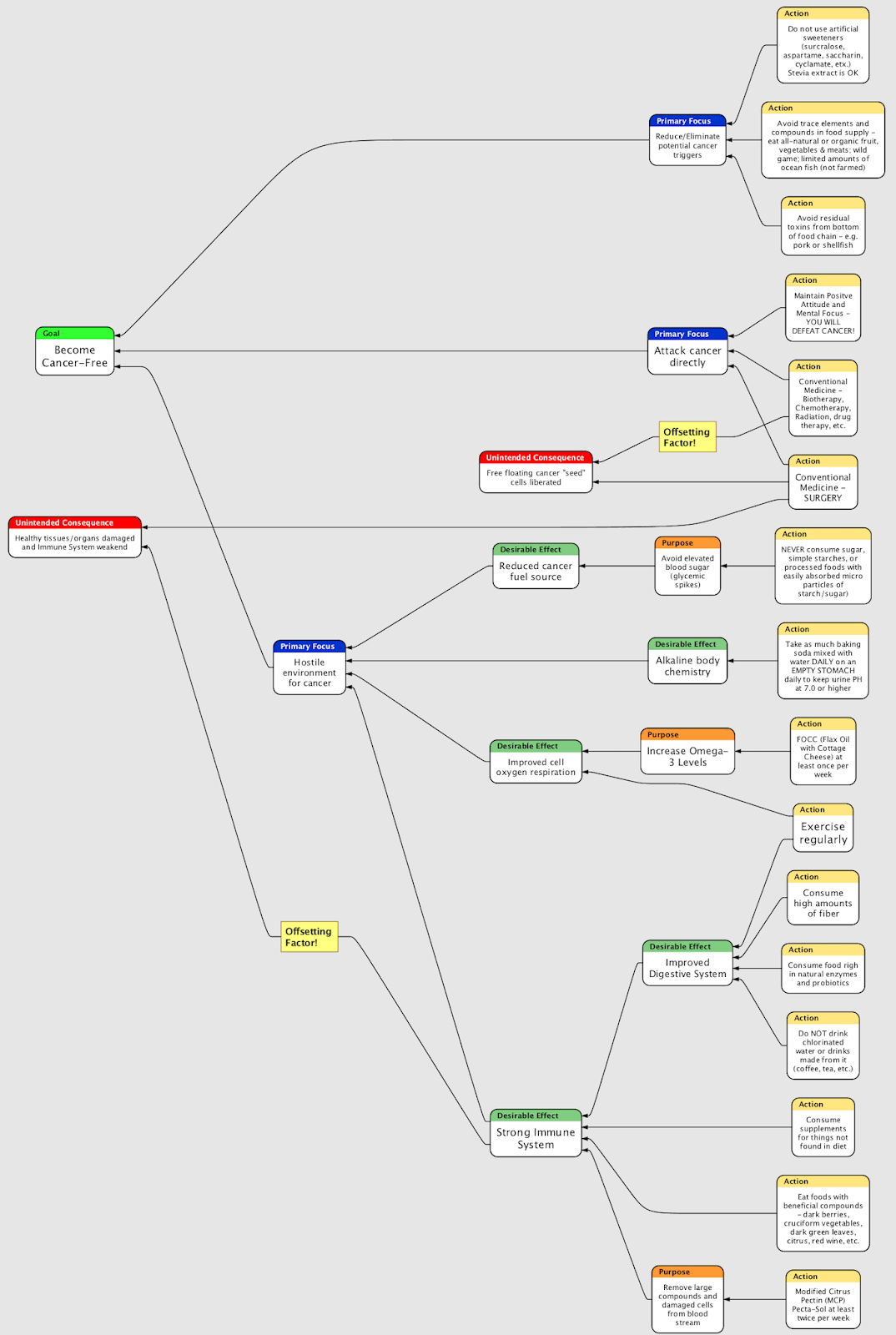
Diet - avoid carcinogens or potential carcinogens (pork, shellfish, artificial sweeteners, preservatives, fertilizers, hormones, etc.)
Diet - avoid cancer feeders (sugar, simple starches, white flour, processed foods)
Diet - consume cancer fighters (green tea, cruciform veggies, dark greens, dark berries, cabbage, soy, chocolate, turmeric, etc.)
MCP - Modified Citrus Pectin, a chelating agent (to remove metals from the system)
Exercise - 20+ minutes per day of elevated, aerobic heart rate (4-5 days/week)
Deep Breathing - cancer hates oxygen
Prayer - the power of God (should not be discounted, as many studies have proved a "positive attitude" is strongly correlated with cancer fighting!)
Blogging - having a place to summarize thoughts and rant occasionally may improve attitude also!

And in other news, I still want to do book reviews on at least 4 diet books and maybe a couple of others. Once I get the exercise timing and routine dialed-in, there may be time for those!

In still other news, I may be able to maintain the exercise, but it STILL sucks!