Showing posts with label Exercise. Show all posts

Miscellaneous Updates, and New Data to Collect! - August 29, 2012


DIET and EXERCISE

Just took a look at my blog posts, and life is good.  So good, in fact, that I am not posting to the blog!  I see that I have 135 total posts (not counting this one) and only FOUR of them have been in 2012.  Not expecting the end of the world or studying Mayan history, but really just living life like a person that does not have cancer.  It's really weird.  I am still doing the dietary thing, avoiding potential carcinogens like pork and shellfish altogether, and limiting other things (stuff with preservatives, etc.) to one day a week.  The diet is now intended more for weight loss and health building than cancer avoidance.  I posted earlier that I lost 40 pounds or so in 2011.  Not so much for 2012 - no loss at all on the balance - a few pounds gained, a few pounds lost, but stable around 220 pounds.  Does this mean the Slow-Carb diet is a failure?  I don't think so.  For one, I have not gained the weight from last year back.  And perhaps the most important factor is the TOTAL absence of the much-hated exercise.  Not because it is hated, but because a chronic lower-back injury resurfaced in April and has been really exacerbated by the minimalist Slow-Carb Fat-Loss exercises and stretches.  It used to be that a chiropractic adjustment would fix it for a month or three, but this progressed to the point where it would not "fix" at all, or last less than 24 hours.  A friend of mine, Frank R., has been bugging me for years to abandon chiropractic and go to his Physical Therapist. I was finally desperate enough to do it.  Unlike others I have experienced, this guy did not prescribe meds, bend joints, or cause other painful effects.  Rather he showed exactly what was wrong, how to "fix" it myself, and trained me to do a bunch of exercises to strengthen the back and core muscles to hold the correct position in place.  This process took almost three months of training and follow-up visits.  Bottom line - I feel better than I have in years, can recognize when things are even slightly off, fix the problem instantly, and continue to work the back and core muscles.  The PT even told me I can resume all the Slow-Carb Fat-Loss exercises as I wish about 4 weeks ago.  But work travel, vacation travel, upcoming cysto (on 9/11 - good day for a judgment day), and BCG will mess up the schedule, so I have resolved to work hard on the PT exercises and add in the Fat-Loss stuff after my October ordeal with BCG is complete - just in time for the Thanksgiving and Christmas Holiday season!


HOMEWORK

An interesting side note, reshuffling of buildings and offices at work has left me with a suboptimal place to work, so my boss authorized me to begin working from home full time.  This change necessitated some new expenses for better home office furniture and connectivity, but the end result is really nice.  I would think my productivity is nearly doubled during busy times!  When I do go into the office for occasional meetings (not really mandatory, but good to let people not forget about me), everyone says how much better and happier I look.  They all say that the working from home must really agree with me.  It does, but I think the real reason for my improved posture and attitude is the result of the PT exercises and the absence of dull, nagging lower-back pain.  I had learned to tune it out unless it got really sharp and severe, but with even the dull pain now gone, life really looks much better again!


FRATERNITY UPDATES
 
 In addition to all of that, several of you have contacted me in the past months with updates and new information.  The best news is that our little BC "fraternity" continues to have clean cystoscopy reports and maintains a cancer-free state! The list includes Steven S. in Tennessee, Sebastian in Argentina, Julie T. from Illinois, John M. from Ohio, David F. in England, Ben F. in Louisiana, Roy B. in Alabama, and a few others who prefer to remain nameless.  At least three of this list had "false alarms" of things that looked unusual but turned out not to be cancer recurrence.  This is really an IMPRESSIVE list.  All of them have made some degree of dietary change, but probably the most fascinating story belongs to John M. in Ohio.  I had a couple of lengthy phone calls with him - he prefers that mode to email.  


JOHN M.'s AMAZING STORY!  

He was diagnosed with three tumors in Fall of 2011, and had TURBT and BCG, then had 4 new ones only a few months later in December, removed for Christmas via another TURBT.  Both sets of tumors were analyzed and found to be very aggressive and high grade cancer.  Per the US standard of care his oncologist at the Cleveland Clinic advised him to have a full Radical Cystectomy.  I suspect most of you reading this have considered this possibility and, like me, consider this to be a dire, last-resort only - to be avoided at all costs.  John took this feeling to a whole new level.  He did a lot of research (including this blog), and began testing his urine for microscopic blood using laboratory test strips at home.  He began noticing correlation between certain food consumption and trace, microscopic blood in the urine.  He also began to note a correlation between foods and the acidity/alkalinity (pH) of his urine - conveniently measured with the same test strips. Further self-research and experimentation also showed a strong correlation between stress levels and acidic pH and presence of microscopic blood.  This knowledge plus the threat of RC in his future propelled John into high gear.  He immediately stopped eating ALL animal protein (including fish and eggs) and ALL sources of sugar.  He went to an organic vegetarian diet and added alkalizing agents (e.g. baking soda and lemon juice).  He also took steps to reduce stress in his life - removing factors he could control (e.g. driving), and gradually letting go of other things.  I asked him specifically how he accomplished the latter.  A devout Catholic, he prayed for relief and yielded his burdens to a Higher Power.  He monitored his urine for pH and blood every time he urinated, taking corrective action on stress or diet any time the indicators indicated blood or acidity.  

Four months later, in April, 2012, John went in for another cystoscopy.  No new cancer, but one scar and three red spots, perhaps residual from TURBT and BCG, or perhaps new.  The oncologist wanted to do biopsies, but John declined.  He did agree to a follow-up cysto in August, 2012.  That cysto showed ABSOLUTELY NOTHING.  No spots, no scar - nothing at all.  John's bladder returned to it's original, pristine state.  From his experience and research, John has concluded several things:

1) Maintaining an alkaline pH in the urine (above 7.0) will allow the body to effectively kill off existing cancer
2) Diet is the key to maintaining alkaline pH, supplemented by baking soda or lemon juice as needed
3) Once the cancer is gone, one can safely consume sugar and other things, in limited quantities
4) Food coloring, artificial additives, and preservatives should be avoided at all times


He still monitors his urine blood and pH levels daily, but no longer every time.  He also indulges himself in high-acid foods from time to time (citrus, tomatoes, meat, etc.)  He likens the situation to a canker sore in the mouth - it will heal quickly without exposure to acids.  When healed, one can consume the acidic foods without too much concern - unless another episode occurs.  His strict, organic, green-vegetable diet (including juicing) was only needed until the cancer was gone.  He is now more careful about diet, but not obsessive about it.  Eliminating stress is still a good practice - stress is very acidic to one's biochemistry and negative to both physical and mental health.

Read about John's story in his own words in his blog here: 


Unlike me, John did not keep meticulous records of his research and test results.  So that door is open for me.  I have ordered 200 test strips and will begin some experimentation on myself for correlations to foods and stress.  I note that these strips test both pH and blood, but also have 8 other indicators.  So I plan to do some research on some of the other tests to see if they may provide useful data.  Stay tuned for a few months as I collect the data.  If any of you would like to join me in this experimentation, send me your data and I will post it on the blog for all to see and share.

These SG-10 urine test strips are made by Siemens, Bayer, and Roche, and may be found from multiple sources on Amazon, and generally less expensive sources on eBay. 

ANOTHER TEST TO TRY
 
I was contacted recently by a drug company representative. They are marketing a urine test for a specific protein (NMP22) that is an indicator (sometimes) for bladder tumors. These test modules are more complex than the test strips above (which test for total protein, not specific ones), and require 30-50 min to analyze the sample drops of urine.  They are pretty reasonably priced at $15 each, sold in packs of 10, and are available by prescription only in the US.  I asked him about availability in other countries, but he did not answer that question.  Because they are prescription only, the routine is to learn about them and "ask your doctor," just like the other cheesy drug commercials on TV.  I may well ask my doctor about them, as I will be going to annual cystos after this next one.  

Let me know if you try any of these ideas and what results you experience!

Exercise is a Crock of Poo - July 5, 2010

If you have read anything I have ever written about exercise, you will know that I never present it in a positive light. I am not opposed to DOING something like playing a sport. But just to exercise - on a machine, with weights, bicycle, or running is both physical and mental anguish for me. Furthermore, I never experience any of the purported benefits from this misery and drudgery. Those who feel exhilarated and energized after a fitness regimen - good for you! Feel free to bite me. I am just happy when I don't feel nausea on top of exhaustion. I have tried them all - "Fat burning" cardio, low intensity long duration, interval, and even high intensity interval. Not only do they all suck, but they don't appear to do me any good. Still I shall continue, because if being miserable for half an hour a day helps in any way to defeat cancer, I will do it. But don't be telling me how much better I will feel or how much weight I will lose. There are no data to support these fairy tales.

The latest data set comes from my international friendly competition with David F. in England. He was distressed at recent weight gain. I had never lost the 10 pounds I gained in Mexico, so I proposed a contest. He quickly agreed, and after a week it was off to the races. David's diet of rabbit food and stress (from working a start-up venture) combined with interval training has paid off for him in spades. I maintained my relatively low calorie diet, and added exercise 4-6 days per week. After 4 weeks David is reduced by 8 pounds. I lost zero, one, one, and then gained two - leaving me at net zero. The tale of the scale is illustrated by the graph below:


What can we make of all this? Hopefully nothing. Perhaps my "fat burning furnace" will ultimately kick in, and I can make some sort of showing.
I have no idea. My friend Trevor convinced me of the merits of playing squash - the only racquet sport in which the length of volley increases with skill level. He even delivered a few weeks of informal training, and I must say I enjoyed it a lot. It is a game that involves the mind completely, as well as the body. I wore my heart rate monitor and had to ask for several breathers even in our fairly light workout. Experience will teach that not every shot can be won or every ball chased! For more stimulation, a quick internet search reveals this interesting tidbit - for a few brief months in 2001, one British professional squash player single-handedly changed the entire "look" of the game. Check out Vicky Botwright here.

I was nearly ready to take the plunge, and take some formal training in conjunction with a club membership, when a toe injury combined with a back injury to delay that plan for over a year. It may be that it is time to add this sport to the mix soon. I have to take a look at calendar, budgets and so forth. Might make more sense to delay until after the next cystoscopy to ensure everything is still all clear, and get 3 more BCGs done, before making a time and money commitment to squash. I shall have to think about it.

In the meantime one thing remains constant. Exercise SUCKS!


Dealing With Any Type of Cancer - WHAT TO DO? - October 11, 2009

 UPDATED June, 2019 and UPDATED AGAIN May, 2021.  

I will begin with the answer to the question implicit in the title. How should  ANYONE deal with a cancer diagnosis? All the answers start in one place. This is the MOST IMPORTANT THING!


YOU HAVE TO CHOOSE NOT TO DIE FROM CANCER. 


This is the front line defense and the bottom line of any treatment regimen. If you accept that your cancer is a death sentence, then ultimately it will be.


Don't get me wrong - I am not going to suggest using willpower for self healing and other miracle working. I intend something much more practical. Here's the deal. If anybody I know has cancer, or any of their friends or family, I hear about it. Same goes for my family - if any friends or relatives of friends have cancer, they hear about it, and then I hear about it from them. Generally the situations described are grave, and people will imply that there is little hope. Occasionally some will ask, but more often the question is unspoken - what should the person who has cancer DO about it? Since I have cancer and I have done some things that have been successful for 11 years now cancer free and counting, one could presume that I am somehow qualified to answer the question. Or maybe not. But I have this forum and these are my opinions based on my research and experience.

Here is an example of now NOT to beat cancer. My mother recently attended her high school reunion - we won't mention how many years. I asked about the class valedictorian, the coolest guy from her small town, who I had met once or twice when I was very young. She said he looked good and was doing fine, but that his wife had cancer and it was terminal. I hear this a lot (this was the second one that day), and it really makes me angry. Perhaps cancer will kill you, but to just accept that it will seems to me to be fundamentally and morally wrong. This fellow's scenario is typical. His wife has cancer of some type, it is a strong one (i.e. malignant), it has spread (i.e. metastasized), and there is really no hope. Of course they are getting the best doctors and choosing all the best treatments, but the odds are poor and really it is just a matter of time. Perhaps this will really be the case. My opinion is that it may not necessarily be so, and accepting the fait accompli is needless and dangerous. Often these cancers are treated with surgery plus chemotherapy and/or radiation therapies, which could kill the cancer - if they don't kill the patient first. Other cancers (like mine) have some thankfully easier treatments (albeit still unpleasant). My particular 10 year survival prognosis with treatment for T1 G3 non-invasive bladder cancer was 70-80%, which is VERY high compared to most. So yes, I do count myself blessed and fortunate for that, and for the success to date.

Back to the main point here - we have been trained (especially in America) to ONLY do what the doctor says and hope for the best. I know a lot of doctors and count some of them among my best and most faithful friends. They are some really smart people. I also know that they are human beings - trained in specialized skills to the exclusion of nearly all else. As such doctors are quite valuable resources for the things that they know about. We should pay attention to what doctors know and recommend, and we should work together with them to defeat the cancer. Let me repeat that for emphasis - WORK TO DEFEAT THE CANCER. This is step one. If you cannot take this step, then
you have already decided to die from cancer. Anything you do after that is a simple matter of "going through the motions." I will develop this logic thread more later. 

Step 2 is a combination of following the doctor's advice while educating yourself and your support team, and adding to that everything that you can to help your medical treatments to be successful. This last area is one where your doctor has had zero formal training, so he or she probably cannot help you, and most likely cannot even make an educated comment about any of it.

In addition to the "doctor knows best" conditioning, we also tend to accept that there is nothing else that can be done. Just surrender to the doctors and hope/pray for the best. Please do not misinterpret me - I heartily recommend most things that doctors will suggest. I also think there is plenty more that can be done, and these things lie outside the areas of your doctors' collective training. They are not particularly weird or strange, and they certainly should NOT be viewed as ALTERNATIVE therapies. They are ADDITIONAL therapies. This whole nomenclature of "alternative medicine" has been a tremendous disservice. It's really wrong-headed from every angle. It's not medicine, and it's not an alternative. These are reasonable and proper actions that can be taken
in addition to taking conventional medical actions. Together they form a multi-pronged attack on the cancer and provide the basis for a healthy and longer life. After all the goal is not to die FROM CANCER. Which gives you the privilege to die from something else, hopefully much later in life. Say something like a skydiving accident on your 100th birthday, having too much sex, or other happy pursuits.

UPDATED June 2019
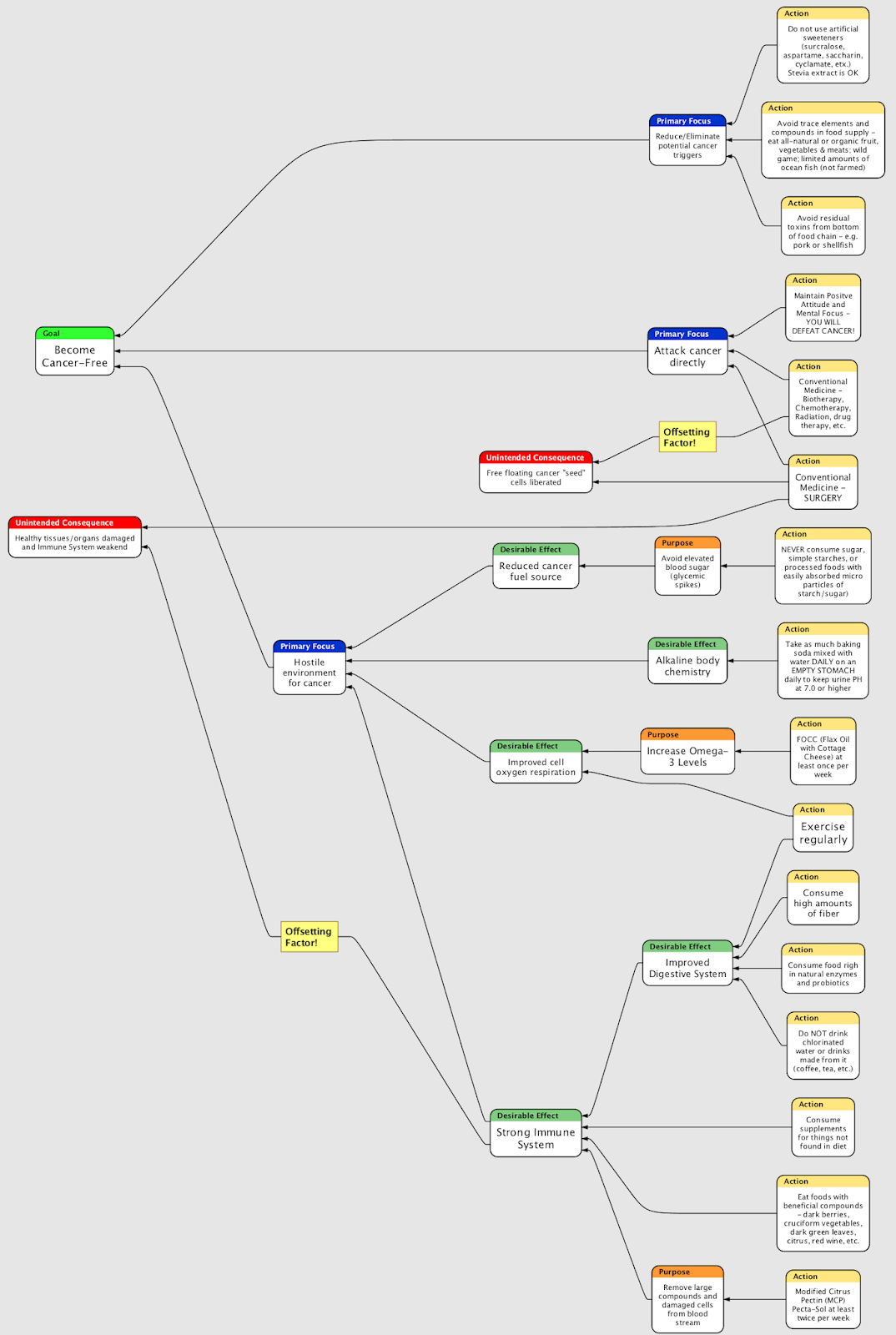
How does all of this work together? I developed a logic model in 2009 (now updated 10 years later) that shows how many actions can play together to secure the desired result: CANCER-FREE STATE. The actions one can take (including conventional medicine) are listed on the left, and the logical outcomes are traced out from left to right, resulting in the final desired goal - the cancer-free state. The model is still in draft form, but it's now mature enough to make sense to the few logical readers out there in cyberspace who may choose to pick through it. My mother's friend from high school is a very smart guy, so perhaps this will appeal to him and others like him. One further disclaimer - the software I used to create the model is designed to make the chart attractive and easier to read, so the actions at right are not necessarily in priority order. And you WILL need to click on the diagram to get a much larger and readable version. Better yet, download it and zoom in!


Please Click on Diagram to Enlarge!

Feedback from all of you on the original diagram was that it was impossible to follow. This new version simplifies things and color codes them. To get the desired goal (no cancer) on the left in green, there are 3 basic things that must be done (the blue ones): Eliminate cancer triggers, attack cancer directly, and create a hostile environment for cancer.  The things at the right (in yellow) are things to do that feed into one or more of those three. Bad things that might happen are shown in red, with solid yellow boxes leading back to things that reduce or eliminate the bad things.

Apologies to any who have found the discussion so far (or the diagram above) to be confusing. It was not my goal. In summary, these actions logically appear to be much more effective towards reaching a cancer-free state than conventional medicine alone. They boil down to a radical lifestyle change in terms of attitude, diet, and exercise. Seems so simple, but...

When I give some of these ideas to people whose family and friends have severe forms of cancer, the suggestions are generally met with derision and perhaps a roll of the eyes. Even if they pass them on, the cancer sufferers tend to have the same reactions. I accept that I cannot help anyone who does not want to be helped. But if you are willing to CHOOSE NOT TO DIE FROM CANCER, then you might also be willing to choose to do some things you would not otherwise do. Certainly I would choose NOT to have a tube of bio-cooties jammed up my favorite private part, yet people tend to accept this type of thing more readily than something simple like, for example - stop eating sugar. I find it very odd, but a good friend pointed out that it actually took 3-4 months for me to come around to my current point of view. Thankfully I had that much time!

Attitude is the key. Whether you have the herculean strength to draw it from yourself like some have, or whether you are content to draw from an outside source (i.e. God, support group, relentless spouse, etc.), having the attitude that it is possible to survive renders all the actions more effective. I described in a previous post how David Eliot from New Zealand noticed the same phenomenon and applied it in his own case with some degree of success. I think he went about it the hard way, yet the results are there. So if you believe that you can survive, the next step is to decide what you will do to survive. Many follow only their doctors' advice and do OK, but many more still die of cancer. So I believe that something more can and must be done. Here is the list of 10 things I have done in priority order:

  • #1 - Surgery and Biotherapy to remove and attack the cancer
  • #2 - UPDATE 2021: EVERY DAY - 7 Days per Week! On an empty stomach and at least 15-30 minutes before your next meal, take 1 teaspoon (5 g) per day of baking soda (sodium bicarbonate) dissolved in 6 oz (175 ml) of water or more to maintain body alkalinity (does not affect blood pH which stays in a very tight range, but will increase the pH of lymph, saliva, urine and other bodily fluids and environments). 
    • UPDATE 2021: This is not the exactly correct procedure - body alkalinity (not blood) is EXTREMELY different from person to person, and does not respond to baking soda in any way that correlates to age, weight, gender, or anything else I could find. The correct procedure is to monitor your urine pH frequently for several weeks and adjust the baking soda amount and frequency to ensure your urine pH is 6.5 or higher throughout each 24 hour period.  For myself, I found that 2.5 teaspoons (13g) of baking soda every morning once per day would do the trick.  The 1 teaspoon (5g) per day is a safe recommendation for those of you who can't be bothered to test your urine pH.  2021 CHANGE - since this worked for me consistently, I quit measuring pH and just slammed the 2.5tsp (13g) of baking soda daily, 7 days per week, 365 days per year. A month ago I noticed some consistent burning in my bladder for a couple of days, so I quit doing baking soda and started testing again. My urine pH was consistently high (good), but the extra baking soda made it super high to the point where my bladder was getting alkaline burn (not good).  I experimented and adjusted the dose, and now I can do slightly less than 1 tsp (now about 4g) of baking soda once every 9-10 days does the trick.
    • It appears that age and years of dietary change have now modified my body chemistry to be mostly neutral or alkaline most of the time, and only a small boost from baking soda is needed.  So for myself, I don't do this daily any more. Your mileage will absolutely vary, and I strongly recommend you go through the minor hassle of testing and adjusting, and then re-check for a couple of days every year or so.

  • #3 - Reduce or eliminate consumption of sugars, simple starches, and micro-processed food to avoid glucose spikes to feed the cancer

  • #4 - No chlorinated water or drinks made with chlorinated water or ice to preserve intestinal function
  • #5 - UPDATE 2019 Eat Flax Oil & Cottage Cheese (FOCC) daily weekly to boost cell respiration (aka Budwig protocol - see my FOCC post) I now have FOCC only once per week, because it tends to spike body acidity.  Despite this fact, all of the positive benefits are still there.  For people with active or recent cancer - who have been recently diagnosed or within the first two years after surgery, I still recommend FOCC daily, along with the baking soda.  Just don't take them together!
  • #6 - Avoid potential carcinogens (eat organic, all-natural, and wild foods - avoid bottom feeders and artificial sweeteners of all types) to avoid triggering new cancers
  • #7 - Eat foods with beneficial compounds (see Beliveau book or cookbook, Servan-Schreiber book, or read this post of mine) to add to the assault on cancer cells
  • #8 - Consume natural enzymes and pro-biotics to improve digestive function
  • #9 - Eat more fiber to improve digestive function and general health
  • #10 - Take immune-system boosting and other supplements and vitamins just in case
  • #11 - Exercise regularly too keep the whole system operating and lubricated - ranked last because I still HATE it
Do I need to do every one of these things? Probably not. Will I experiment on myself by deleting them using a cleverly designed experiment to see which factors are the most influential in cancer prevention and risk a recurrence? No thanks! Are there other things I can or should do? Perhaps. The beauty of the internet is the wealth of information available. The curse of the internet is the fact that most or all of this information is buried beneath and surrounded by a nearly insurmountable pile of absolute bullshit. So I decided to go with the list above.

I promised to come back to the thread about folks who have already decided to die. For many years at work I sat beside a brilliant man. It would be reasonable to describe him as a "rocket scientist," or perhaps more accurately a missile engineer. He is also a neighbor who lives 2 blocks away. Six months ago he was diagnosed with pancreatic cancer that was found to have metastasized. His condition is grave. I went over and shared what I was doing. I even made a small batch of FOCC and showed his wife how easy it was to prepare. She and I both thought it tasted pretty good. He tasted it, made a face, spit it out, and said, "Yech! I will not eat that. It tastes like pancake batter!" I was quite taken aback - standing before him as living proof of success (so far) in battling cancer, a person he knows to be of some intelligence, offering a simple recommendation to follow - yet he chose to ignore my input. It later became clear that he had (at least subconsciously) chosen to die and was not going to be inconvenienced by any extra unpleasantness or hassles suggested by me. Certainly what the doctors are doing for him is unpleasant enough. For whatever reason I find that many otherwise intelligent people abandon reason, almost as if they have operant conditioning, to accept that medical science is the only existing reaction for any recourse against cancer. The hard truth of the matter is that the results for medical success are staggeringly low. Any logical person must therefore realize that the odds are stacked against them. Since they know the probability is that they will soon die from cancer, they are not willing to do anything unknown or "unscientific". Deep down inside they believe that since they are going to die anyway, why should they give up their favorite foods or take pills that their doctor did not recommend? And they accept that they will inevitably die from their cancer. If this is your situation, you should also face up to the reality of your attitude. By choosing not to do anything extra or potentially difficult, you have chosen instead simply to die, especially if the doctors have told you that there is little or nothing that they can do for you. At least you can help them make a few boat payments on your way out...

Perhaps people like David Eliot, Dr. David Servan-Schriber, myself, and countless others who have chosen to do other things in addition to the medical approach are fools. But to "go through the motions" and then die a slow and painful death from cancer? I say "To hell with that!!!" Let it instead be said that we are just stubborn - too stubborn to die of cancer.


How It's Going 9 Weeks Post-BCG - April 18, 2009

Today (and lately) I feel about as near to normal as I can remember. Keep in mind that I define normal as how I felt just over a year ago before all this cancer business (or, more accurately, my awareness of it) started. Truth be told, I feel better than my old definition of normal in most respects. I have lost over 30 pounds since then, my allergy symptoms have diminished, my complexion has improved, I require less sleep, and I have more energy. I'm told I don't snore (much) any more. Blood chemistry has improved - triglycerides have dropped from 323 to 220. I eat better food, and it tastes better to me. Things I used to eat routinely don't taste as good as they used to. Stranger still, I feel better and may have a better attitude than people in general. It's all quite amazing.


Offset all this goodness with recovery from the BCG. While my reactions to each treatment were not too bad, there were side effects that lingered longer than the last series. Perhaps this was because I did not rest enough, deceived by the mild symptoms at the time. Since the last one, there have been a lot of lesser symptoms... Severe tiredness. Sensitivity and/or general discomfort in the "male area." Occasional cramping in the abdomen. Random sleeplessness. Vague abdominal soreness. Ugly and inexplicable mood swings. Frustration with the entire universe, which had not as late measured up to my standards. Nine weeks and two long weekend vacations (one to Northern California and one to Las Vegas) later and all of these are gone, while all the good stuff listed above continues on. It's very nice to not be totally exhausted at the end of each day. People cautiously ask how I am feeling, confused because I look good. I am confused also. I have to chalk it up to a factor known as common grace, with a full measure of special grace mixed in.

It's also amazing how other people characterize the source of my improvements. Several have pointed out that the exercise must be "working." While I appreciate the kind thoughts, let me debunk that myth. Most of my lifestyle changes were implemented on August 1, 2008, and most of the positive benefits were starting to be realized soon after that - well before the exercise was initiated around November 30. So while the exercise may smooth out the rough edges, it cannot be the primary source of the improvements! Besides, it still sucks. When we were in Vegas for the past several days, I refused to exercise. The casino-hotel charged $20 per person per day to use the exercise facility. Clearly they would much rather have you gambling than exercising. In any case there were far better uses of $20 each vacation day than to invest in hated exercise. Therefore I did not exercise for five days in a row - Friday through Tuesday. Started again on Wednesday, which was tough. Thursday was easy, and Friday was nearly impossible. Even though I do it first thing in the morning and ignore the effects all day, I had forgotten how tired it makes me in the evenings. Or how great it felt not to do it each day. But progress requires sacrifice, and I am up to the task. Up to DOing it, not up to enjoying it. Sigh.

It might be beneficial to characterize the other non-exercise things I have been doing - these are (singly or together) the primary reasons for my well being, and perhaps the exercise adds a little as well. Let's look at a typical day. (Click on ANY photo to enlarge)


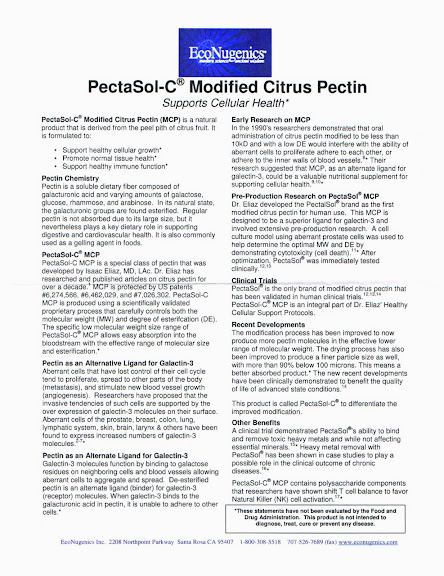
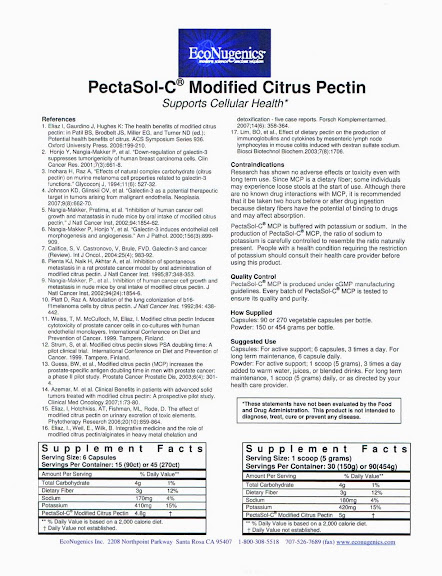
Between Midnight and 2AM (when I get up to pee) I take 5-8 grams of PectaSol-C Modified Citrus Pectin (MCP) mixed in a shaker cup with 8-10 ounces of non-chlorinated spring water.


About 6AM I get up and drink some organic greens, also mixed in a shaker cup with 8-10 ounces of non-chlorinated spring water, to get a good dose of healthy enzymes. I chase that with some "empty stomach" supplements, namely 500mg each of L-Arginine (a vasodilator that may enhance heart and other muscle health) and L-Carnitine (helps fat metabolization and may promote heart health), and also an immune system booster - currently a mushroom-based formula. I am thinking of switching to a yeast-based beta-glucan immune booster after I run out of the mushroom pills.


After that I exercise, getting my heart into the aerobic zone (for me about 140 plus or minus 5) for 15-20 minutes. This requires a 7-9 minute warmup and is followed by a 5 minute cool down, all on my recumbent bike described in this post. I'm guessing this type of bike is not best for the bladder area, but it is the best for not aggravating my lower back, which has had chronic issues for years.


About 6:40 I spend some time sitting, reading and reflecting on universal truths. This practice also allows more time for my body to cool off before showering and preparing for the workday.


For breakfast most days (and lunch on the others)
I have a nice portion of Flaxseed Oil mixed with Cottage Cheese and fresh ground flaxseeds, sweetened with stevia extract (no longer using organic agave nectar), plus fresh or frozen organic fruit added for variety. This stuff is known as FOCC, described in the previous post.


With my breakfast I take some vitamins and supplements.* A tiny aspirin as suggested in this post, a very comprehensive multivitamin, a calcium supplement (600mg), a Coenzyme Q10 supplement (100 mg), Vitamin E (200IU), and Vitamin C (500 mg).

For lunch I have a healthy, organic combination of fruits and vegetables. If any meat is involved, it's a small amount (2 slices of organic turkey breast).


In the midafternoon (around 3-4PM) I take another dose of both MCP and Greens, on an empty stomach, mixed together in a shaker cup with 8-10 ounces of non-chlorinated spring water.


Throughout the morning and day I drink 2-3 quarts of spring water, green tea, black tea, organic lemonade, or organic limeade (whatever I am in the mood for) all homemade with non-chlorinated water and sweetened with stevia extract.


Dinner is a healthy, often vegetarian affair, with organic produce. An enormous salad, a barely cooked vegetable or two, low starches, and no meats or only small portions. Breads are either multigrain or sprouted multigrain, with occasional sourdough. About 3-5 times a week I have a 6oz glass of red wine, sometimes two on weekends! An occasional white for variety.


Immediately after dinner I complete the vitamin and supplement routine* with another dose of Vitamin E (200IU), Vitamin C (500 mg), and the multivitamin, plus Omega-3 fish oil (3000mg) and a Vitamin B-12 (500 mcg).


Near bedtime for dessert, maybe 3-4 times per week, I have fresh fruit mixed into unsweetened organic yogurt with
stevia extract (no longer using organic agave nectar). Or organic nuts with cheese or fruit on occasion.


Daily I also take a total of 6g of inulin fiber supplement with my meals - usually 2g with FOCC and 4g with dinner. Inulin is a soluble fiber, so it goes through the system like a sponge rather than like steel wool.


* If you would prefer a simple solution to the "with breakfast and dinner" vitamin and supplement scenario, a packet (8 pills) of Daily Advantage from DrDavidWilliams.com with breakfast and another packet with dinner, plus one CoQ10 and a tiny aspirin per day would be roughly equivalent, even better in some regards.


What does it all mean? Not much if the upcoming cystoscopy reveals new cancer growth - theoretically a 50/50 shot. Maybe something if all clear. But who knows which one, ones, or all in conjunction might be helping? Not me, for sure! But all of the above seem reasonable, are generally affordable, ans surely won't hurt anything. Even the exercise...

Exercise - Learning to Hate It Less - February 28, 2009

If you have read any of my stuff, you are well aware that I am on record as an exercise hater. We must acknowledge that it's one of the four foundations for beating cancer, which are:

1) Good attitude and spiritual health
2) Diet that stops supporting cancer growth and starts fighting it actively
3) Conventional and alternative medical care (includes vitamins, supplements, etc.)
4) Regular exercise
The third one is the most familiar. Pretty much everybody does conventional medicine as the doctors advise. Many do alternative things also, such as meditation, vitamins, supplements, ritual washings, healing dance, whatever. If it sounds reasonable to you, if you can afford it, and if you're pretty sure it won't hurt, those are things you should do. What could be the harm? For me the first three items on the were tough enough, and the last one has been a killer. After trying several brands and styles of treadmills, elliptical trainers, stair climbers, upright stationary bikes, spin bikes, and recumbent stationary bikes, I found a machine that I could tolerate. Target heart rate is between 130 and 145 for 15-20 minutes, plus warm up and cool down. Roughly 30-33 minutes on the bike. It's not enjoyable, but I have been able to tolerate it and get it done since the end of last November.

As a condition of my employer's arrangement with the U.S. Air Force (who we support directly), we are permitted to use the base exercise facilities. They are open from 4 AM to 11:30 PM seven days a week, except national holidays, when they close at 5 PM. The facility and equipment are the best that money can buy, impeccably clean and well maintained. Usage peaks early before work, around lunch, and from 3-5 PM as the various shifts complete. It's 5 minutes from work and 15 minutes from home, a half mile detour off the direct route between home and work. And it's free of charge. So what's the problem?

The problem has been my introvert's personality combined with logistics. First, the entire process is very public, including my less than fit condition, huffing, puffing, grunting, and occasional cursing. Second, it takes extra time. Time to negotiate security for that extra half mile. Time to change clothes in the public locker room, time to secure your stuff in a locker. Time to get the tunes hooked up and running in ear buds. Occasionally it takes time for the desired equipment to become available. It also takes time to cool down, change clothes again in the locker room, and exit the base. All of this turns a 30 minute workout into an hour or more. Doing it before work means doing it after breakfast and adding a public shower to the mix. Same with doing it during the day. So the only convenient time to work out has been after a full day's work, which on occasion ranges to 6 or 7 PM. Suffering through exercise when already tired is invigorating for many people, but not for me. I drive home exhausted, collapse into the couch, and can barely eat dinner or make conversation before going to bed. Being the stubborn sort, I do it anyway, because
I'll be damned if cancer is going to beat me just because I am lazy. And despite all the proclamations of the exercise-lovers in the world, I have not come to enjoy it any more - even after three solid months. I have exercised no less than twice per week (during BCG treatments), and have occasionally attained my target of 5 times per week. Most weeks have been four times, or three at worst. The lower frequency has been due to BCG tenderness, and also not being able to go after 5PM on holidays, which are pretty numerous.

Since I received the "all clear" last time I was inspected for cancer, I am resigned to continue. So what can be done to improve the situation? If I could roll out of bed, take my "empty stomach" supplements, grab some tea, and then go exercise first thing in the morning, logistics would be easier and the time greatly reduced. Doing this at the base would mean showering publicly and having breakfast out, or returning home first - a huge time waster.

Last Saturday (after posting to the blog) we purchased a used Life Fitness 95Ri recumbent bike from a very nice lady who had decided she preferred to use an elliptical trainer instead, so she had upgraded and needed to get rid of the bike. After trying both the Life Fitness and the Precor (she had both, which are top-of-the-line, expensive, high-quality brands) I was able to re-affirm that I prefer the ergonomics and arrangements of the Life Fitness brand. For only $525 cash we were able to take it home with us. Moved it inside and set up in the basement right in front of the TV and DVD and VCR and stereo equipment, naturally! An hour or so to clean the dust off and condition the vinyl and plastic - the result looks nearly brand new, as you can see from the photos. Used/refurbished ones on the Internet go for $1400 - $2200 plus shipping, though if you can find one locally, it should be under $900. Such a deal at $525 plus a couple hours driving! No warranty, but this is a sturdy commercial grade of bike and should do well for our purposes here at home.

This week I exercised first thing in the morning, per the pattern described above, on Monday, Wednesday, Thursday, and today. Whilst on the bike, about 8 minutes warm-up, 20 minutes in the target heart range (140 plus/minus 4), and 5 minutes cool down, I am watching a PBS special about the history of baseball, kindly loaned to me by Steve Z. And during the cool-down period (off the bike), I was able to sit quietly and read my Morning Exercises book section for the day. No one to watch me change clothes, hear my grunts and groans, or disturb my quiet reflection and reading. Except for the exercise bit, it was heaven! And the exercise was not as taxing, since my attention was on the TV show except for frequent checks to ensure my heart rate was on target and to note the time elapsed. So while the enjoyability factor has not improved, the tolerability has increased dramatically. And I'm saving about half an hour per day for the entire process. Best of all, the dirty deed is accomplished early, and other than some afternoon tiredness, does not wear on me like the previous schedule. I can now declare the exercise to be a sustainable activity for me.

As for the tiredness that hammered me for two weeks post-BCG, it improves daily. I've started out by being more honest at work. When asked how I'm feeling, I reply,"I'm good. About 80% and faking the other 20%." That comment elicits about 50% cheerful responses and 50% odd looks. Call me hard hearted, but they should not ask if they don't want to know. I was fooling mostly myself by saying, "98% and no issues!" in the past, and it was starting to show in the quality of my output. I feel next week should be a piece of cake, and I will be back above 95% by the end of it. Of course the 5 day vacation next weekend should help - 2 nights in Carmel, California and two nights in San Francisco. Stay tuned for some great restaurant reviews on my other blog in the next couple of weeks!

Is the Diet Working? - Tale of the Scale - February 4, 2009

Many of you have left comments or sent private emails regarding the diet that we have undertaken. I have provided very few details in response. The main reason is that I wanted to gather some evidence of its effect before making any declarations about its efficacy. Which is a mouthful of words to say, "Why recommend or describe something, when I don't know if it's doing any good?" So here's the BIG QUESTION:

Does the diet work?

For those eager to get to the bottom line, the answer will be disappointing:

I don't know.

The question is more complex than it might seem. How shall we define "working?" I'd have to assert that the number one effect we are seeking is that it slows or stops cancer progression, and delays or prevents cancer recurrence. (The two terms are described by Dr. X in this post.)

Now let's look at my personal timeline:
Symptom (tiny drop of blood in urine) February 10, 2008
Diagnosis (bladder cancer) March 31, 2008
Staging (TURBT #1 - T1 non-invasive, Grade 3) April 9, 2008
Cancer Free (verified microscopically) May 21, 2008
Started Diet August 1, 2008
Started Exercise November 24, 2008
TODAY - 8 months cancer free, 6 months on diet, 2 months on exercise (and still despising every minute)

In addition to surgery, diet, and exercise, I have engaged in a heavy program of prayer, BCG treatments, vitamins (Dr. Lamm says not needed), and "magic powder" from the internet (PectaSol-C MCP). So what that means is IF the cancer does not come back (still unlikely, sad to say), or IF a recurrent cancer does not progress, it will not be possible to assign the cause. In other words, if something in the above list works, we won't know which one (or set of several, or even all of the above) is doing the trick! And don't forget we can't rule out divine intervention, either. The long and short of it is that I will never know if the diet works, or if it works alone or in combination with something else. If it does work, it could even be as simple as only one food added or avoided as a subset of the diet. There's just no way to know for sure.

What I do know is this - Changing your diet is affordable and easy to do, and therefore it's worth doing, because it COULD contribute to fighting your cancer battle. And if you don't have cancer, it COULD prevent you from getting it. So let's spend some time discussing how diet changes theoretically could make a difference. Some of this is logical conjecture, some supported by peer-reviewed and published science, and some supported anecdotally (which does not and should not count for scientific or medical opinion). This is why your doctors are forced to be non-committal about the possible benefits of diet changes regarding cancer. If they say anything at all about diet (unlikely) they will work along the lines of tried and true weight loss, heart disease, and blood pressure benefits.

Now that I am six months into diet and two months into exercise, and even though I can't demonstrate that it has been a factor in keeping the cancer at bay so far, still there are measurable results. For the past several years I have been wearing pants with waist size of 40 inches. Until a couple of years ago they fit OK. But since then I have been spilling over the top of them - the term for this, apparently, is Muffin Top, and for me it would be super-sized Muffin Top. I finally went out and bought a size 42 belt, and found even that was too small! Depressing. But in the last six months my pants have started to fit again. I pulled the unused belt out of the closet, and found that I could now use it, albeit on the very widest notch. Then a few months ago I had to tighten it a notch, and then another, and still another. Now my pants are a little bit too loose, and I have only 1 belt notch left before it becomes too big! So there we have some measurable data to support that the diet is doing something good.

In addition to the saga of the belt we have the tale of the scale. I have been taking weekly readings of weight, blood pressure, and heart rate for several years. The weight scale over the past year has shown some dramatic changes. The results are graphed below, and the numbers speak for themselves...


So what exactly is this diet, and where did it come from? We started our research with a recommendation from Crystal, my nurse advisor. She mentioned a book by Jordan Rubin. Some research on Amazon revealed several things. Mr. Rubin has written over a dozen books, and the Amazon reviews by purchasers are not flattering. Apparently he repackages the same material or subsets of it and markets the result as new and different. The consensus Amazon reviews were to stick with one book The Maker's Diet and one supplemental booklet The Maker's Diet Shopper's Guide. What Mr. Rubin does have going for him is that his radical dietary change reversed his near-terminal case of Crohn's disease, a wasting condition whereby foods are not absorbed from the intestines. His miraculous recovery is testimony that something worked. The problem is that what research he conducted was all retroactive by necessity (he was about to die, after all!) But this approach becomes scientifically inappropriate when you are looking for evidence to support the conclusion rather than developing a conclusion based on the evidence. Since I could not resist temptation and marketing, I ordered a third book of his. And therefore I am able to affirm the Amazon audience is correct. I furthermore suggest (with some evidence to my credit) that his newer publications not only repackage the original data, they are poorly organized, internally inconsistent (e.g. don't eat X while X appears in a subsequent recipe), and sparsely populated with additional data, most of which is based on conjecture rather than science. So while you can call Rubin's books the foundation of my personal diet, the best way to categorize my review of it would be "mixed." It may be worth reading, but not worth following to the letter. Unless you are into ritual washings and healing dance. (Just kidding on the dance)

So I looked for additional diet information. My friend Kathie suggested a book by Dr. David Servan-Schreiber
called Anti-Cancer - A New Way of Life. This book mixes some fascinating science regarding diet and cancer with a shockingly depressing world view. I felt like taking a shower after finishing it. Perhaps we can call this one a mixed review as well. On the upside, it led me to a third book by Beliveau and Gingras called Foods to Fight Cancer. This last book, beautifully illustrated, contained more hard science mixed in with a typical, modern, pro-evolution world view. At least it was not depressing. My diet is comprised from all three sources (and others cited therein), and it mixes them with common sense, affordability, ease of implementation, and some measure of my personal bias (despite my best efforts to be objective).
Here is the scientific/engineering approach to my diet:

1) Stop eating things that MIGHT trigger cancer, and
2) Convert your body from a friendly host to an unfriendly environment for cancer, and you accomplish this when you stop eating things that DO feed existing cancer, and start eating lots of things that cancer dislikes.
Rationale and actions for #1

Nobody knows what triggers cancer specifically. Smoking is a big problem for lung and bladder cancer, though it wasn't for me. Industrial chemicals (like clothing and hair dye) are another. Nobody knows exactly how. Other cancers are pretty much unknown causes. But one third of the population in Western countries will develop some form of cancer. Countries with primitive diets (less meat, more vegetables, no chemicals or hormones used in farming) have a much lower rate of cancer. Other nasty diseases are higher, due mainly to poor sanitation. So the key is to be sanitary while avoiding any added chemicals like fertilizers, insecticides, hormones, preservatives, colors, flavorings, etc. All should be avoided. The list includes processed foods like Cheez Whiz, most prepackaged food, sausage, etc. All are chock full of chemicals - not just preservatives, but also colorings, emulsifiers, clarifiers, stabilizers, flavor enhancers, and whatnot. Meat should be all natural, hormone free, and "vegetarian." Until mad cow disease devastated the Western beef supply, nobody realized that producers regularly fed cow parts to cattle and chicken parts to poultry, etc. Many people still don't know it. After mad cow, what's the fix? Feed the dead carcasses (after processing) to poultry! Don't believe it? Check out Mike Rowe's Dirty Jobs Animal Rendering episode. In order to save you money and keep the planet "more green" by recycling, dead animals have been added to the animal food supply for years. I had no idea. To avoid other chemicals your vegetables should be organic, whenever possible. And chemical preservatives of all kinds should be avoided. Artificial sweeteners (nutra-sweet, saccharine, whatever that yellow packet stuff is, sorbitol, xylitol, etc.) are no longer an option. Animals that eat other animals (or meat by-products) or their waste should be avoided. Pigs and shellfish are at the bottom of the food chain - they eat dead animal (for pork) and fish (for shellfish) carcasses, and they do at times eat poop - sometimes even their own! Bottom feeders like catfish should also be avoided. Fish to eat should have fins and scales. (One exception would be tilapia, which are used to eat the poop of other farmed fish). Because they are bottom feeders, pigs and shellfish have a higher input of residual industrial and farming chemicals, which are stored in the organs of cattle and poultry and fish, which are in turn fed to the bottom feeders. So pork and shellfish (both of which I love) have a higher probability of trace amounts of chemical content. And just to ruin your day, deep fat frying food creates some odd chemicals in the edges/crusts of things (the brown tasty bits), so fried foods should also be avoided.

Rationale and actions for #2

First, stop feeding the cancer! Sugar (glucose) is cancer's favorite food. Anything you eat that increases or spikes blood glucose is feeding cancer its vital nutrient. So more things on the avoid list are table sugar (sucrose), high fructose corn syrup (HFCS), bleached enriched wheat flour (which is in everything), corn starch, or any finely milled flour (even organic whole grain), high starch vegetables (potatoes, corn, yams). Processed foods also tend to spike glucose because they are composed of hyper-fine particles easily absorbed by our bacteria-free digestive tracts. The worst offender is HFCS which is also in everything. HFCS is to table sugar as opium is to poppies - as far as your blood glucose is concerned. That delicious donut, cake, or ice cream? Imagine it showering the cancer in a warm bath of nutrients to make it happy and encourage it to grow. Not so appetizing now, is it?

How to sweeten anything? Honey (in limited amount - no more than 2 tbsp per day), stevia (a leaf extract), and agave nectar do not tend to spike blood glucose. But agave nectar has some real problems for cancer. I no longer use it. And a bonus - butter is good (organic, of course) while margarine is out. Yay!

Also we need to eat things that attack the cancer on two fronts - direct assault (less acidic blood chemistry) and cutting the supply lines. Cancer cells send chemical signals to nearby food supply lines (capillaries) to divert them to its own evil uses. Some foods block or reduce the effectiveness of these chemical signals. So things we want to eat more of are from the several classes of foods that seem to correlate well to reduced cancer incidence. Rule to live by - raw is best, or only lightly cooked. Juicing is a poor option (more on this below). Citrus fruit, cabbage, broccoli, cauliflower, brussels sprouts, kale, garlic, onions, leeks, shallots, chives, turmeric (a prime spice in curry), red grapes, blueberries, blackberries, raspberries, strawberries, green tea, soy (tofu, miso, tempeh, or edamame), tomatoes, wild fish (not farmed - smaller fish are better), chocolate (in moderation = 1.25 oz per day, 70% cocoa mass or higher), red wine (in moderation = one 6 oz glass per day), and sweet potatoes (which are yellow and not yams which are orange). You may be eating a lot of these already, but they are probably drenched in sugar and/or cooked into mush. So they do no good.

And here also is where the chlorinated water comes in. It kills the natural flora (bacteria, etc.) in your intestines, preventing the full digestion of these foods and limiting the good that they can do in your system. We did two weeks of extremely limited dieting, avoiding vinegars and eating probiotic foods (natural ones, not the yogurt sugar stuff in the grocery). One can even take probiotic supplements to kick start your digestive system. This part is a bit gassy and uncomfortable until your system adjusts. Taking any of the good foods listed above as dietary supplements (pills or capsules, e.g. garlic, soy isoflavones, green tea extract, etc.) is tempting and it's the American way. Sadly these often end up being too much of a good thing, and at best supplements provide only one or two of the thousands of organic compounds found in the whole foods. So it's often the case that such supplements can do more harm than good.

That said, we take a few supplements, in small amounts, for things that are hard to get from our improved diet. One supplement we take regularly is Omega 3 fish oil, because good fish is hard to get here in Utah. I don't like the idea of juicing either (though I love juice), because one tends to consume way more juice (which is rich in natural fruit sugar) than one could reasonably eat of the raw fruit. A large glass of OJ, fresh squeezed, might be 5 or 6 oranges - way more than you would ever eat in a sitting. And you get all the sugar, little of the fiber, and none of the other good stuff. Also avoid even all-natural and organic processed juice drinks, jams, jellies, and frozen desserts. Even those with "no added sugar" are nearly always loaded with white grape juice to amp the "natural" sugar even more. You might as well be drinking Kool Aid.

All of this is a big change for most folks reading here, and it seems hard to do, but what's left is pretty good stuff. Our meals typically consist of one quarter protein (meat, fish, or eggs) and three quarters fruits and/or vegetables - organic. A standard American plate is at least half protein, one quarter or more starch (potato, which may as well be sugar), and an afterthought of vegetables (frequently overcooked), plus a sugary dessert, all accompanied by sugary (or chemically sweetened) coffee or tea, etc.

For me it was an enormous and unthinkable shift. I used to eat several sugary snacks daily, and salty snacks high in starch (more sugar equivalent), all loaded with preservatives, tons of bread (even whole wheat is made mostly with white flour), and gallons of diet sodas. Pork and shellfish? My favorites! Bacon at every meal! I often explained to my wife, "Fruit sucks. I will eat all the fruit you care to bake into a pie. With ice cream!" After I studied it, I discovered that my diet since infancy had created an ideal environment for cancer to take root, grow strong, and spread out. And I had no will power at all. Donuts at work? I'd take three instead of one. But now that I view sugar as a deadly poison, will power is no longer a problem. I can walk by donuts, or have an orange while others eat muffins without the slightest regret. And I only started the diet last August. Less than a year ago I would have flatly stated that such behavior was simply not possible.

And the jury is still out whether or not all of this diet change is too little too late. I figure avoiding the chemicals and eating the items in #2 above will help keep the cancer from coming back. If it does come back, avoiding the things that cancer loves and eating things that cancer dislikes will "make the cancer miserable," so it won't grow and thrive. Then the docs have a chance to get it before it gets me. That's the theory. There is some science behind most of it, but there's not a lot of money to be made in this approach from new drugs, etc. So you can see why much of it is not fully studied, peer reviewed, and published in accepted scientific journals.

Even though this is the info you've been asking for, it may well not be the stuff you really wanted or hoped to read. All of us want to believe we can continue our current habits/vices and the surgery and BCG will take care of everything. I'd suggest that's probably the primary reason why the 5 year recurrence of high grade bladder cancer is over 80%. I don't like those odds, and I am willing to do radical changes to improve them.

I challenge you to consider doing the same.